




By using our website, you agree to the use of cookies as described in our Cookie Policy
Ready to apply for business funding?
Start our simple online application now.


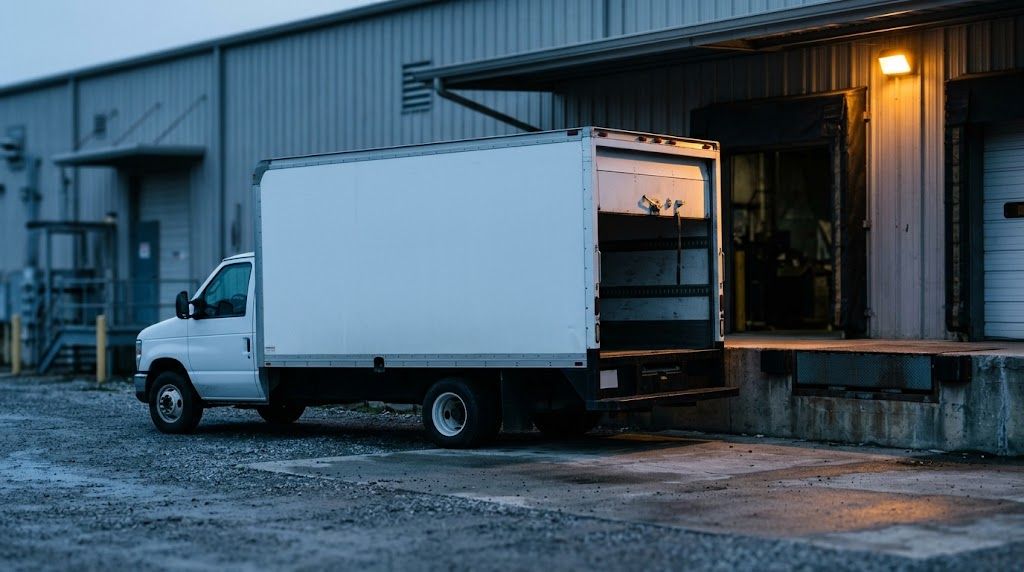
Box truck financing pays for a straight truck with an enclosed cargo box, the workhorse of local delivery, moving, last-mile logistics and contracted routes, over a set term instead of all at once. It is usually structured as an equipment loan or a lease, with the truck as collateral. Established businesses with steady revenue get the best terms. New businesses can qualify with some lenders, but they should expect closer scrutiny of personal credit, a larger down payment and questions about where the freight will come from.
| Option | How it works | Monthly cost | At the end | Best for |
|---|---|---|---|---|
|
Equipment loan |
You own the truck; the lender holds a lien until it is paid off |
Moderate |
Truck is yours |
Long-term use, high mileage |
|
Fair market value lease |
Lessor owns the truck; you pay for use |
Often lowest |
Return, renew or buy at market value |
Keeping a newer fleet, limited upfront cash |
|
Lease-to-own |
Lease payments build toward ownership |
Highest |
Truck is yours |
Buyers who cannot qualify for a loan yet |
Mileage caps and wear-and-tear charges in a lease can add up for a truck running long daily routes, so compare the total cost of each option over the period you expect to use the truck.
A new truck costs more but comes with a warranty and predictable maintenance. A used truck lowers the purchase price and the loan amount, but lenders look closely at mileage, maintenance records and the condition of the box, liftgate and refrigeration unit if it has one. Older, high-mileage trucks usually get shorter terms and may require more money down.
The truck is only part of the startup cost. Under FMCSA rules, a business needs a USDOT number if it operates a vehicle with a gross vehicle weight rating or gross combination weight rating of 10,001 pounds or more in interstate commerce. Many box trucks clear that threshold. FMCSA also lists 38 states, plus Puerto Rico, that require a USDOT number from intrastate carriers, so even local operators may need one.
Weight affects licensing as well. A commercial driver's license is required for single vehicles rated at 26,001 pounds or more, which is why many box trucks sold for delivery work are rated just under that line. Commercial auto and cargo insurance are further costs a lender will expect to see in place before funding, and premiums for new operators can be high, so get quotes before choosing a truck. Interstate carriers hauling for hire may also need operating authority from FMCSA, depending on what they haul and for whom, so confirm registration requirements before you commit to a route.
The type of work behind the truck shapes how a lender reads the application.
Lenders treat a startup trucking operation as higher risk because there is no revenue history to review. Many equipment financing programs, including those offered through online platforms, set a minimum time in business and revenue level, so a brand-new operation may need a lender or dealer program that works with startups. To improve the odds:
A truck that is off the road still has a payment due. Build a maintenance reserve into the budget, and price tires, brakes and liftgate repairs into your rates. Lenders are more comfortable when the business has cash set aside beyond the down payment, because one major repair early in the loan can otherwise lead to missed payments.

See How Much Capital Your Business Can Access & Start Growing Today!
Apply NowThrough BusinessCapital.com, established transportation businesses can apply for equipment financing to add trucks and trailers, with payment plans of up to 72 months. Operators scaling beyond box trucks may also find our guides to trucking business loans and dump truck financing useful, and the transportation and logistics funding page outlines other uses, from fleet upgrades to covering gaps between deliveries and client payments.
Can I finance a box truck with no business history?
With some lenders, yes, though terms are stricter and many programs require time in business first. Lenders that work with startups lean on personal credit, the size of the down payment and any contracts or route agreements that show where revenue will come from.
How much down payment does a box truck loan need?
It varies by lender, credit and the truck's age. New businesses and buyers of older trucks should expect to put more down than established fleets, while strong credit and a signed contract can reduce the amount required.
Do I need a CDL to drive a box truck?
Not for most. A commercial driver's license is required for single vehicles rated at 26,001 pounds or more, and many box trucks are rated just under that limit. Check the truck's GVWR before you buy.
Do I need a USDOT number for a box truck?
If the truck is rated at 10,001 pounds or more and operates in interstate commerce, yes. Many states also require one for intrastate carriers.
Is it better to lease or buy a box truck?
Buying usually costs less over a long service life, especially with high mileage. Leasing can lower monthly payments and make it easier to keep a newer truck, but mileage caps can be costly on long routes. Ask about early buyout terms if your plans may change.



Sign up for our newsletter to get exclusive updates and offers

Start our simple online application now.

See what our clients have to say about their experience with us.

© 2026 BusinessCapital, LLC
