






By using our website, you agree to the use of cookies as described in our Cookie Policy
Ready to apply for business funding?
Start our simple online application now.


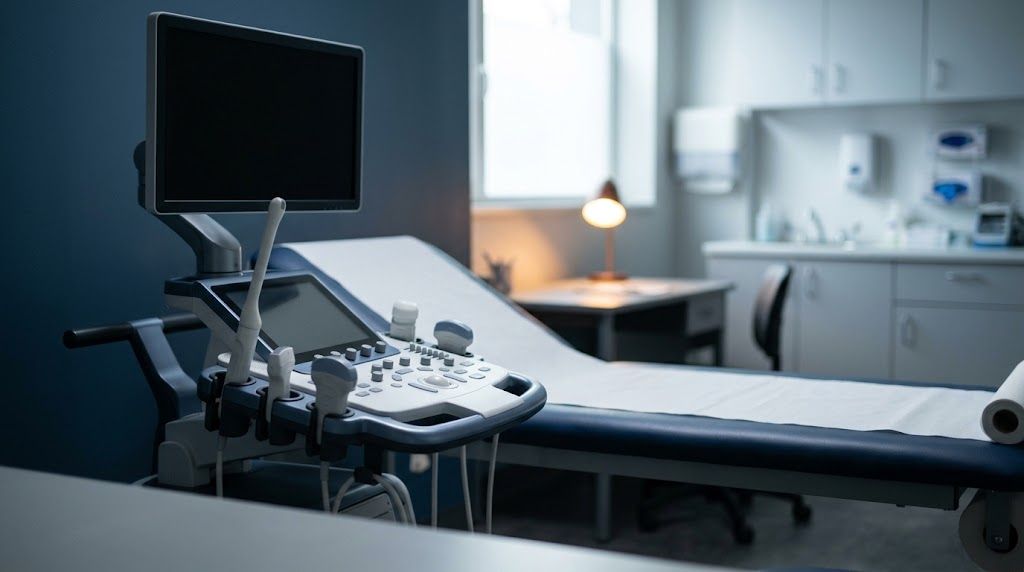
For a practice, clinic or lab, medical equipment financing spreads the cost of imaging systems, diagnostic devices, surgical tools and clinic technology over time instead of requiring one large payment. The main options are an equipment loan, where the practice owns the asset and it serves as collateral, and a lease, where the practice uses the equipment for a set term and then returns, renews or buys it. Which fits best depends on how fast the technology dates, how much cash the practice wants to keep in reserve and how the payments line up with reimbursement.
The same principles apply across healthcare businesses, from physician groups (see our guide to medical practice loans) to dental practices and veterinary clinics.

See How Much Capital Your Business Can Access & Start Growing Today!
Apply Now| Equipment loan | Fair market value lease | Lease with $1 buyout | |
|---|---|---|---|
|
Ownership |
Practice owns it from the start |
Lessor owns it during the term |
Lessor owns it until final payment |
|
Monthly payment |
Higher |
Often lowest |
Close to a loan |
|
End of term |
Equipment is yours |
Return, renew or buy at market value |
Buy for a nominal amount |
|
Best for |
Equipment you will use for many years |
Technology that dates quickly |
Practices that want ownership with lease-style paperwork |
Imaging and other high-tech systems can lose value quickly as newer models arrive, which is why many practices lease them. Durable equipment such as exam tables, sterilizers and surgical furniture often makes more sense to own.
According to the CMS National Health Expenditure fact sheet, spending on physician and clinical services grew 8.1% to $1,109.7 billion in 2024, while total national health expenditure grew 7.2% to $5.3 trillion. Spending growth also reflects prices, the mix of services and how intensively care is delivered, so it does not by itself mean patient visits are rising. A practice should base an equipment purchase on its own demand, expected use and reimbursement. Practices adding providers, extending hours or bringing referred-out services in-house need equipment to do it, and financing lets the cost line up with the revenue the equipment produces.
Reimbursement timing still matters. Claims can take weeks to pay, so a monthly equipment payment needs to fit around the practice's collection cycle, not just its annual revenue.
Many equipment manufacturers and distributors offer financing at the point of sale, sometimes with promotional rates. Vendor programs are convenient, but they apply to one vendor's equipment, and a low rate can be offset by a higher purchase price or bundled service contracts. A third-party lender or financing platform lets the practice negotiate the equipment price separately and finance equipment from several vendors under one relationship. Comparing both on total cost over the full term, rather than the monthly payment alone, usually shows which is cheaper.
The payment is only part of the cost. Before comparing offers, account for:
Some financing agreements can include part of these soft costs, while others cover only the equipment. Ask before you settle on an amount.
Tax treatment differs too. Purchased equipment is generally depreciated, and federal rules allow accelerated deductions on qualifying equipment in many cases, while payments on a true lease are typically deducted as an operating expense. The better choice depends on the practice's tax position, so involve the practice's accountant before signing.
Practices with a large share of insurance revenue often see cash arrive in uneven waves. Some financing programs allow deferred first payments or seasonal payment schedules, which can give new equipment time to start producing revenue before full payments begin. Ask whether the agreement allows early payoff without a penalty, and how the payment changes if the equipment is upgraded mid-term. A short projection showing expected procedure volume, reimbursement per procedure and the monthly payment gives both the practice and the lender a clear picture of whether the equipment pays for itself.
Lenders look at the practice's revenue history and payer mix, the providers' credit, existing debt and the equipment itself, including how readily it could be resold. A detailed vendor quote helps, as does a short explanation of how the equipment will add revenue or replace outsourced services. Be ready to provide two to three years of practice financial statements and tax returns, recent bank statements, a list of existing equipment debt and the providers' licenses. Established practices generally qualify more easily than new ones, though some lenders work with new practices that have experienced providers and a solid business plan.
A single advanced imaging system can cost more than many small-ticket equipment programs are designed to handle. Equipment financing available through BusinessCapital.com goes up to $10 million, with payment plans of up to 72 months. Practices that already own valuable equipment can also look at an equipment sale-leaseback to raise capital for new purchases.
Is it better to lease or buy medical equipment?
Leasing often suits technology that dates quickly, such as imaging systems, because it makes upgrades easier. Buying suits durable equipment the practice expects to use for many years. Compare the total cost of each option over the period you expect to use the equipment.
Can a new practice get medical equipment financing?
Often, yes, though terms may be stricter. Lenders weigh the providers' experience, credit and business plan more heavily when the practice has little revenue history.
Can you finance used medical equipment?
Yes. Refurbished equipment is commonly financed, though lenders will look at its age, condition and remaining useful life when setting the term.
Does medical equipment financing cover installation and training?
Sometimes. Some agreements include a portion of soft costs such as installation, site preparation, software and training, while others finance only the equipment.
How long are medical equipment financing terms?
Terms vary by lender and equipment, and commonly run several years. Matching the term to how long the practice will use the equipment keeps the payment from outlasting the asset.


Sign up for our newsletter to get exclusive updates and offers

Start our simple online application now.

See what our clients have to say about their experience with us.

© 2026 BusinessCapital, LLC
