





By using our website, you agree to the use of cookies as described in our Cookie Policy
Ready to apply for business funding?
Start our simple online application now.


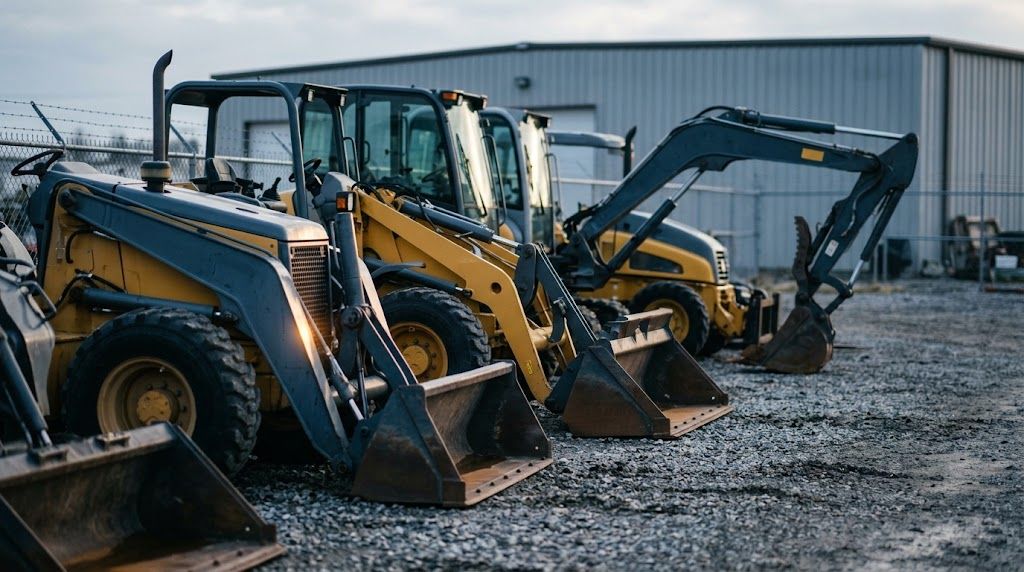
Used equipment financing lets a business buy pre-owned machinery, vehicles or tools and pay for them over time, with the equipment itself serving as collateral. It works much like financing new equipment, but lenders look harder at the asset: its age, condition, hours, remaining useful life and what it would sell for if they had to repossess it. Those factors shape the rate, the term and whether a down payment is required. A well-maintained machine from a reputable seller usually finances on better terms than an older unit bought as-is at auction.
| Factor | New equipment | Used equipment |
|---|---|---|
|
Valuation |
Dealer invoice |
Invoice plus appraisal, inspection or valuation guide |
|
Term length |
Often matches the asset's full useful life |
Usually shorter, tied to remaining useful life |
|
Down payment |
Sometimes none |
More often required, especially for older units |
|
Warranty |
Manufacturer warranty |
Limited dealer warranty or sold as-is |
|
Rate |
Generally lower |
Often higher, reflecting collateral risk |
The guiding principle is simple. Lenders want the loan paid off before the equipment wears out or loses most of its value. Let's say a business buys a six-year-old machine it expects to run for another seven years. A five-year term leaves two years of use after the final payment, the kind of cushion lenders generally prefer. Stretching the same loan to seven years would leave no margin if the machine needs a major repair late in its life. The basics of term, collateral and ownership are the same ones covered in our explainer on how equipment financing works.

See How Much Capital Your Business Can Access & Start Growing Today!
Apply NowDealers. Dealer purchases are the easiest to finance. There is a clear invoice, the dealer can supply maintenance records, and some units come with a limited warranty. Lenders can verify the price against what the dealer paid and what similar units sell for.
Private sellers. A private sale can save money, but the lender will want a bill of sale, proof of ownership and confirmation that no one else has a claim on the equipment. Run a lien search before paying. If the seller financed the machine, a UCC filing may still be on record, and it has to be released at closing.
Auctions. Auctions move fast, with payment often due within days and equipment sold as-is. Arrange financing before you bid so you know your ceiling and can close on time.
A lender values the equipment as collateral, but you are the one who has to run it. Before you commit:
An independent inspection report also helps the lender, and some lenders require one for higher-value or older equipment.
Used equipment supply has been shrinking in several categories. Sandhills Global's August 2026 market report found inventory of used heavy-duty construction equipment down 10.45% year over year, with used heavy-duty truck inventory down 37.7% and medium-duty truck inventory down 33.18%. Lower supply has not meant higher prices across the board, though. Asking values in all three categories were below their year-earlier levels, down 1.55%, 2.2% and 6.04% respectively, even though each rose from July.
When inventory is thin, good units tend to sell quickly. Buyers with financing already approved can commit to a machine the day they find it instead of watching it go to someone else. Prices still depend on the type, condition and demand for a specific machine, so check recent comparable sales and get an appraisal when the asking price is near the top of a lender's valuation.
Lenders also compare the purchase price with what the same model has sold for recently. If you are paying well above that, expect the lender to finance only up to its own valuation and ask you to cover the difference.
BusinessCapital.com's equipment financing covers new or used machinery, with payment plans of up to 72 months, and asks for at least one year in business, annual revenue of $50,000 or more, a minimum credit score of 520 and three months of recent bank statements.
For an example of how this plays out in a specific trade, see our guide to dump truck financing.
Can you finance used equipment?
Yes. Many equipment lenders finance used machinery, vehicles and tools. Terms depend on the equipment's age, condition and resale value as well as the business's credit and cash flow.
How old can used equipment be and still qualify?
There is no universal cutoff. Lenders generally want the loan to end before the equipment reaches the end of its useful life, so older equipment tends to get shorter terms and may need an inspection or appraisal first.
Do you need a down payment for used equipment financing?
Often, though not always. Lenders are more likely to ask for one on older equipment or private-party purchases where value is harder to confirm. Strong credit and revenue can reduce the amount required.
Can you finance equipment bought from a private seller?
Yes, with more documentation. Expect to provide a bill of sale, proof of ownership and a lien search showing the equipment is free of other claims. Some lenders also want the equipment inspected before they fund.
Is used equipment financing more expensive than new?
The rate is often higher, but the total cost can still be lower because the purchase price is lower. Compare the full repayment amount, not just the rate.


Sign up for our newsletter to get exclusive updates and offers

Start our simple online application now.

See what our clients have to say about their experience with us.

© 2026 BusinessCapital, LLC
