






By using our website, you agree to the use of cookies as described in our Cookie Policy
Ready to apply for business funding?
Start our simple online application now.


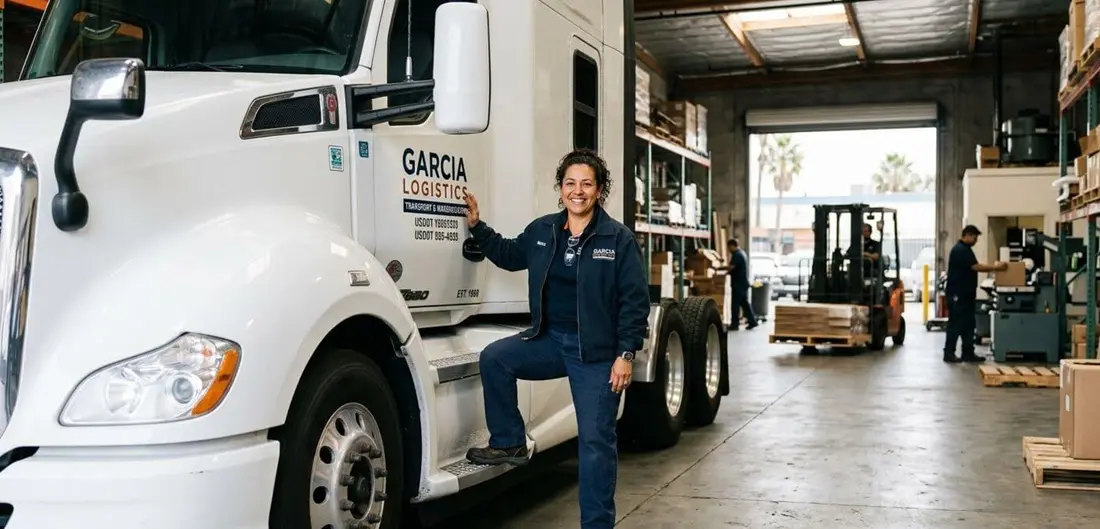
Equipment financing lets you borrow money specifically to purchase or lease business equipment, using that equipment as the collateral for the loan. You get the machinery, vehicle, or technology you need right now, and pay for it over time through fixed monthly payments. Once the loan is repaid, you own the equipment outright.
It's one of the more straightforward financing structures available to small businesses, and for many owners, it's a better option than draining cash reserves or waiting until you can afford to buy outright.
Most business loans are general purpose. You borrow a sum of money and use it however the business needs it. Equipment financing is different because the loan is tied directly to a specific asset.
That structure benefits you in two ways. First, the equipment itself secures the loan, which often means easier approval compared to unsecured financing. Second, it preserves your working capital. Instead of spending $80,000 in cash on a piece of machinery, you put that cash to work in the business and spread the equipment cost over two, three, or five years.
According to the Equipment Leasing and Finance Association, the U.S. equipment finance industry is a $1.3 trillion sector, and around eight in ten businesses use some form of leasing or financing to acquire the productive assets they need to operate and grow. Equipment financing is not a niche product. It's how most businesses actually acquire capital goods.

See How Much Capital Your Business Can Access & Start Growing Today!
Apply NowEquipment financing typically comes in two forms. Understanding the difference matters before you apply.
| Equipment Loan | Equipment Lease | |
|---|---|---|
|
Ownership |
You own it at end of term |
Lender owns it; you return or buy at end |
|
Down payment |
Often 10-20% |
Usually little to none |
|
Monthly payments |
Fixed |
Fixed, often lower than a loan |
|
Tax treatment |
Depreciation deduction |
Lease payments may be deductible |
|
Best for |
Equipment you'll use long-term |
Equipment that needs frequent upgrading |
With a loan, you're buying the equipment and the lender holds a lien until you've paid it off. With a lease, you're essentially renting it, with an option to buy at the end. For technology or equipment that becomes outdated quickly, a lease can make more sense. For heavy machinery or vehicles you plan to keep for years, a loan typically wins.
Because the equipment serves as collateral, lenders are evaluating two things at once: your ability to repay and the value of the asset itself.
Revenue. This is the primary driver for most equipment financing decisions. Lenders want to see that your business generates enough cash flow to cover monthly payments comfortably. For many alternative lenders, the revenue threshold sits around $15,000 per month.
Credit score. Personal credit still matters, especially for smaller businesses without an established business credit profile. Banks want strong scores; alternative lenders work with a wider range.
Time in business. Equipment lenders generally want to see at least six months of operating history. Banks often want two or more years.
The equipment itself. Age, condition, and resale value all factor in. A late-model commercial vehicle is easier to finance than a 15-year-old piece of specialty machinery with limited resale market.
Down payment. Some lenders require 10 to 20 percent down, particularly for higher-value equipment. Others offer 100 percent financing.
Most business equipment is eligible for this type of financing. Common examples include:
Construction equipment and heavy machinery, commercial vehicles and delivery trucks, restaurant and food service equipment, medical and dental equipment, technology and IT infrastructure, manufacturing equipment, and agricultural equipment.
If your business uses it to generate revenue, there's a good chance it qualifies. Lenders are generally flexible about the category of equipment as long as it holds identifiable value.
Both new and used equipment can be financed, though used equipment sometimes comes with additional scrutiny. Lenders want to confirm the asset has enough resale value to justify the loan. For used equipment, they may require an appraisal or limit the loan term based on the equipment's remaining useful life.
If you're financing used equipment, be prepared to provide documentation on the asset's age, condition, and current market value.
Equipment financing tends to move faster than a standard business loan because the collateral is clear and the underwriting is more straightforward. The general process looks like this:
You identify the equipment you need and get a quote or invoice from the seller. You submit an application with your lender, including basic business financials and the equipment details. The lender evaluates your revenue, credit, and the equipment itself. If approved, the lender pays the seller directly, and you begin making monthly payments.
With many alternative lenders, this process can move quickly. BusinessCapital.com offers equipment financing with decisions often faster than a traditional bank approval process, making it practical when you need equipment to fulfill a contract or replace something that's broken down.
You can review the details and apply through the equipment financing page directly.
Sometimes equipment financing is the right tool. Sometimes another structure makes more sense. Here's how it compares:
A business line of credit gives you flexibility to cover equipment costs alongside other expenses, but it's typically unsecured and the credit limit may not cover large purchases. A short-term loan can fund equipment purchases but usually comes with higher payments and a shorter repayment window. Equipment financing is purpose-built for this use case, which often means better terms and longer repayment periods.
If you're unsure which structure fits your situation, the guide on business loan requirements can help you understand where you currently stand before applying.
Check whether the lender requires a down payment and how much. Understand the full repayment term and what the monthly payment looks like against your current revenue. Confirm whether early payoff is permitted without penalties. Find out whether the lender places a UCC lien on the equipment or on broader business assets. And make sure the equipment you're financing qualifies under the lender's guidelines.
If your credit score is a concern, reviewing the guide on how to build your business credit score before applying can help you understand what lenders will see when they pull your profile.
Do I need good credit to get equipment financing?
Not necessarily. Because the equipment serves as collateral, lenders are generally more flexible on credit than they are for unsecured loans. Alternative lenders work with credit scores starting around 500. Banks typically want higher scores and stronger financials overall.
Can a new business get equipment financing?
Yes, in many cases. Some lenders will work with businesses as young as six months old, particularly if the equipment has strong collateral value and monthly revenue is consistent. Newer businesses may face smaller loan limits or higher down payment requirements.
How long are equipment financing terms?
Terms typically range from one to seven years, depending on the equipment type and the lender. Shorter-lived equipment generally comes with shorter terms. Large, long-lasting assets like heavy machinery may qualify for longer repayment periods.
What happens if I can't make payments?
Because the equipment is collateral, the lender has the right to repossess it if you default. This makes equipment financing lower risk for the lender, which is part of why approval is more accessible. Understanding your monthly payment before you commit is important.
Is equipment financing the same as a lease?
Not exactly. An equipment loan means you own the equipment at the end of the term. A lease means the lender retains ownership, though many leases include a buyout option. Both fall under the broader category of equipment financing, but the ownership outcome is different. Read more about your options on the funding options page.


Sign up for our newsletter to get exclusive updates and offers

Start our simple online application now.

See what our clients have to say about their experience with us.

© 2026 BusinessCapital, LLC
