






By using our website, you agree to the use of cookies as described in our Cookie Policy
Ready to apply for business funding?
Start our simple online application now.


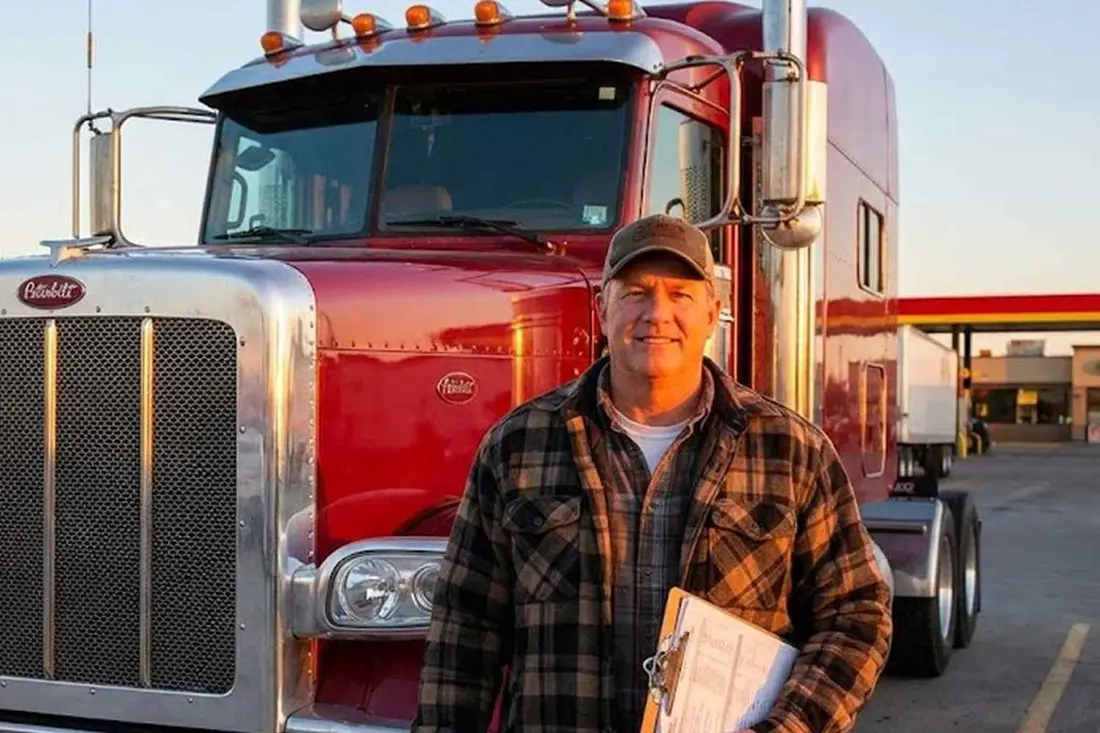
Trucking is a capital-intensive business.
Whether you're an owner-operator running a single rig or managing a fleet of dozens, the expenses add up fast. Trucks cost $100,000 to $180,000 new. Fuel prices swing unpredictably. Repairs hit without warning. Insurance premiums keep climbing. And you often wait 30 to 90 days to get paid for loads you've already hauled.
Most trucking businesses need financing at some point. Here's how to get it and which options make the most sense for your situation.
The trucking industry operates on tight margins with significant upfront costs and delayed payments. That combination creates constant cash flow pressure.
According to the American Transportation Research Institute's 2024 Analysis of Trucking Costs, the average marginal cost per mile for trucking operations reached $2.27 in 2023, with fuel, driver wages, and equipment costs representing the largest expense categories. When you're spending that much to move freight, waiting 60 days for payment creates real strain.
Banks often hesitate to lend to trucking companies because of industry volatility, thin margins, and the specialized nature of the assets. But lenders who understand trucking have built products specifically for carriers and owner-operators.
The key is finding those lenders rather than trying to fit your business into a generic lending box.
Several financing options work well for trucking operations. The right choice depends on what you need the money for.
Trucks are your biggest capital expense. Equipment financing lets you purchase or lease trucks and trailers without paying the full cost upfront.
The truck itself serves as collateral, which typically makes approval easier than unsecured loans. Terms often stretch five to seven years for new equipment, with payments structured to align with the truck's productive life. Down payments typically range from 10% to 20%.
For owner-operators buying their first truck or established fleets adding capacity, equipment financing is usually the most cost-effective path to getting trucks on the road.
Short-term loans provide cash for operating expenses when revenue timing doesn't match your obligations. Use them for fuel, repairs, insurance premiums, or any expense that can't wait for customer payments.
Loan amounts typically range from $5,000 to $500,000 with repayment terms of three to eighteen months. Approval often depends more on your revenue than your credit score, making these accessible even if your personal credit isn't perfect.
A business line of credit gives you flexible access to funds you can draw on whenever you need them. You only pay interest on what you use.
For trucking companies, lines of credit work well for managing unpredictable expenses. Draw funds when a truck needs unexpected repairs, pay it back when revenue comes in, draw again for the next surprise. It's a safety net that adapts to the realities of running trucks.
Freight factoring is extremely common in trucking. If you're waiting 30 to 90 days for brokers or shippers to pay, invoice factoring converts those receivables into immediate cash.
A factoring company advances 90% to 95% of the invoice value upfront, often the same day you deliver the load. They collect from your customer and send you the remainder minus their fee. Factoring fees typically run 1% to 5% depending on volume and customer payment terms.
For many trucking companies, factoring isn't occasional financing. It's an ongoing cash flow management tool that keeps operations running smoothly.
Merchant cash advances provide upfront capital based on your revenue, with repayment taken as a percentage of daily or weekly deposits.
MCAs offer the fastest funding available, often within 24 to 48 hours. They're useful for emergencies when a truck breaks down and you need it back on the road immediately. The tradeoff is cost. MCAs are more expensive than other options but deliver when speed matters most.

See How Much Capital Your Business Can Access & Start Growing Today!
Apply NowTrucking loan requirements vary by lender and product, but common factors include:
Time in business. Most lenders want at least six months of operating history, with many preferring one to two years. Newer owner-operators have fewer options but can still access certain products.
Revenue. Lenders typically want to see $10,000 to $15,000 or more in monthly revenue. They'll review bank statements to verify deposits and assess consistency.
Credit score. Banks and equipment lenders usually want scores of 650 or higher for the best terms. Alternative lenders work with scores as low as 500. If credit is a challenge, our guide on bad credit business loans covers available options.
Driving record and authority. Lenders may review your MC authority history and safety record. Clean records improve your chances. Recent violations or accidents can complicate approval.
Equipment condition. For equipment financing, the age and condition of trucks matter. Most lenders have limits on how old a truck can be for financing, typically seven to ten years for used equipment.
The payment delay in trucking creates a financing need that never fully goes away. A few strategies help manage it.
Build relationships with quick-pay brokers. Some brokers offer faster payment terms for a small fee. If cash flow is tight, paying 2% to get paid in a week instead of 60 days might be worth it.
Use factoring strategically. You don't have to factor every load. Factor the invoices from slow-paying customers and wait for payment from those who pay quickly.
Maintain emergency reserves. Even a small cushion helps. Having $5,000 to $10,000 available for unexpected repairs means not scrambling for financing when something breaks.
Establish credit before emergencies. Get approved for a line of credit when business is good. Having it available when you need it beats applying in a crisis.
Trucking companies use financing for a range of needs.
Truck purchases. Buying new or used trucks to start operations or expand capacity.
Repairs and maintenance. Covering major repairs like engine rebuilds, transmission work, or tire replacements.
Fuel costs. Managing fuel expenses when payment timing creates gaps.
Insurance premiums. Covering large upfront insurance payments.
Authority and compliance. Paying for MC authority, permits, ELD systems, and compliance requirements.
Driver hiring. Funding recruiting, training, and onboarding costs when adding drivers.
Match the loan type to the need. Equipment financing for trucks. Factoring for ongoing cash flow. Lines of credit for unpredictable expenses. Short-term loans for specific larger needs.
Can I get a trucking loan as a new owner-operator?
Yes, though options are more limited. Some equipment lenders work with new operators if you have trucking experience as a company driver. Expect higher down payments and rates until you establish business history. Factoring is often available immediately once you have authority and loads.
How fast can trucking companies get funded?
Factoring advances often arrive the same day you submit an invoice. Merchant cash advances fund within 24 to 48 hours. Working capital loans take one to five business days. Equipment financing typically takes one to three weeks depending on the lender and deal complexity.
Do I need a CDL to get a trucking business loan?
For owner-operators, yes. Lenders want to know you can legally operate the equipment. For fleet owners who employ drivers, your personal CDL status matters less than your business qualifications.
How much can I borrow for a trucking business?
Equipment loans can cover trucks costing $150,000 or more. Working capital loans typically range from $5,000 to $500,000. Factoring lines scale with your invoice volume. The amount you qualify for depends on your revenue, time in business, credit, and the specific product. Small business lenders can help you understand your options.
Is freight factoring considered a loan?
Technically no. Factoring is the sale of your invoices at a discount, not a loan. You're not taking on debt. You're accelerating payment for work already completed. This distinction matters for businesses concerned about debt levels on their balance sheet.


Sign up for our newsletter to get exclusive updates and offers

Start our simple online application now.

See what our clients have to say about their experience with us.

© 2026 BusinessCapital, LLC
